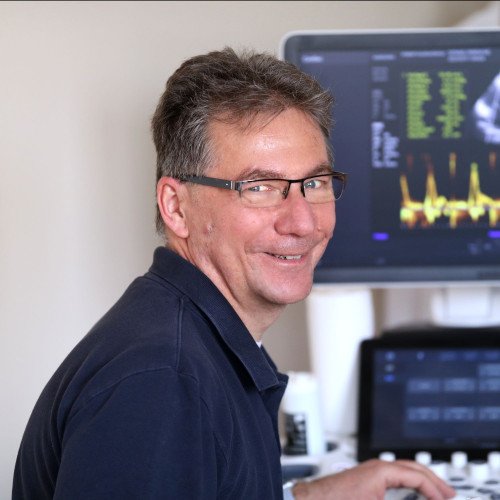
Dr. Péter Botos
cardiology
 english-speaking doctor
"It's a fantastically uplifting feeling to be able to save lives," says Dr. Péter Botos, cardiologist at TritonLife. Although he imagined his profession completely differently as a primary school student, he found his greatest passion in medicine. In his free time, he is truly filled with literature and gardening.
When I was in high school, I was absolutely convinced that I would not become a doctor. In the family, my mother was a doctor, and she worked as a radiologist. However, I was much more interested in biology and the animal world. So, from a young age, I prepared for a career in zoology. It was clear in high school that I wanted to study biology, but then somehow that changed, and when I applied for admission, I applied for medical school. My brother was a determined medical student. He went to university and told me a lot about his positive experiences, which also had a positive effect on me.
It was natural that cardiology would be my path
My grandparents are from Szentendre, and I always spent my school holidays there. After her studies in Budapest, my mother got a job in the X-ray department of the Ózd hospital, so I spent my childhood in Ózd. I finished high school in Sárospatak, and then continued my studies at the University of Debrecen – said Dr. Péter Botos, who, as he progressed through the university, became increasingly certain that surgery was not his world, but rather oriented towards internal medicine.
Part of this was cardiology, which was closer to my heart than the other parts of internal medicine. I also did my work in the Scientific Student Association on the topic of cardiology. At that time, the anticoagulant treatment of myocardial infarction was still a novelty, cardiac catheterization laboratories were not yet generally available, but drug treatment could already be used. In addition, I was able to spend my 5th year of university summer practice in Milan, in the cardiology department of the San Raffaele hospital, which was one of the most modern cardiology centers in Northern Italy at the time. I was part of a very good team, and it was a defining and inspiring experience.
I was among the top 20 with my coursework, so it was also accepted as my diploma thesis. This was such a positive experience that it was natural that cardiology would be my path.
Finding a job in Eger
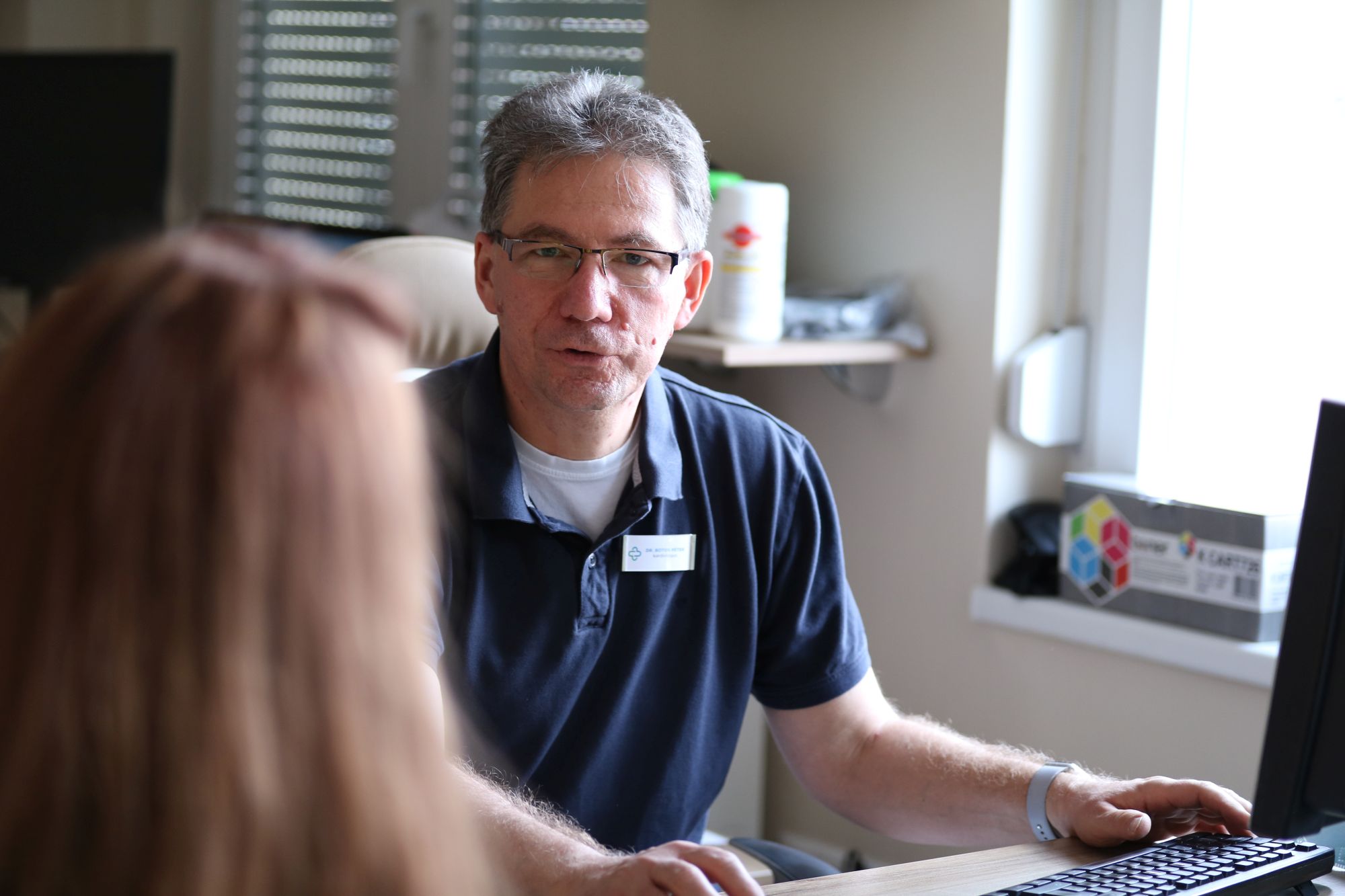
Dr. Péter Botos completed his scientific student association work during his internal medicine internship at the Miskolc County Hospital. This meant such a decisive professional and human connection with the staff of the cardiology department there that he started working there after graduating.
The first year and a half passed there. In the meantime, I got married, my wife and I met at university. She wanted to find a job in the field of diagnostic imaging. At that time, there was not a single radiology job in the whole of Miskolc. She was born in Eger, so the opportunity to look around there was obvious. Eventually, I also changed jobs, because we could both find jobs in Eger. I got a job in the internal medicine intensive care unit, and I worked there until I obtained my internal medicine specialist exam. Then I continued my medical work in the cardiology intensive care unit, and then I passed the cardiology specialist exam – recalled the cardiologist, who in 2002 transferred to the emergency department of the Eger hospital, which meant a slightly different workload.
There were some twists and turns in what happened
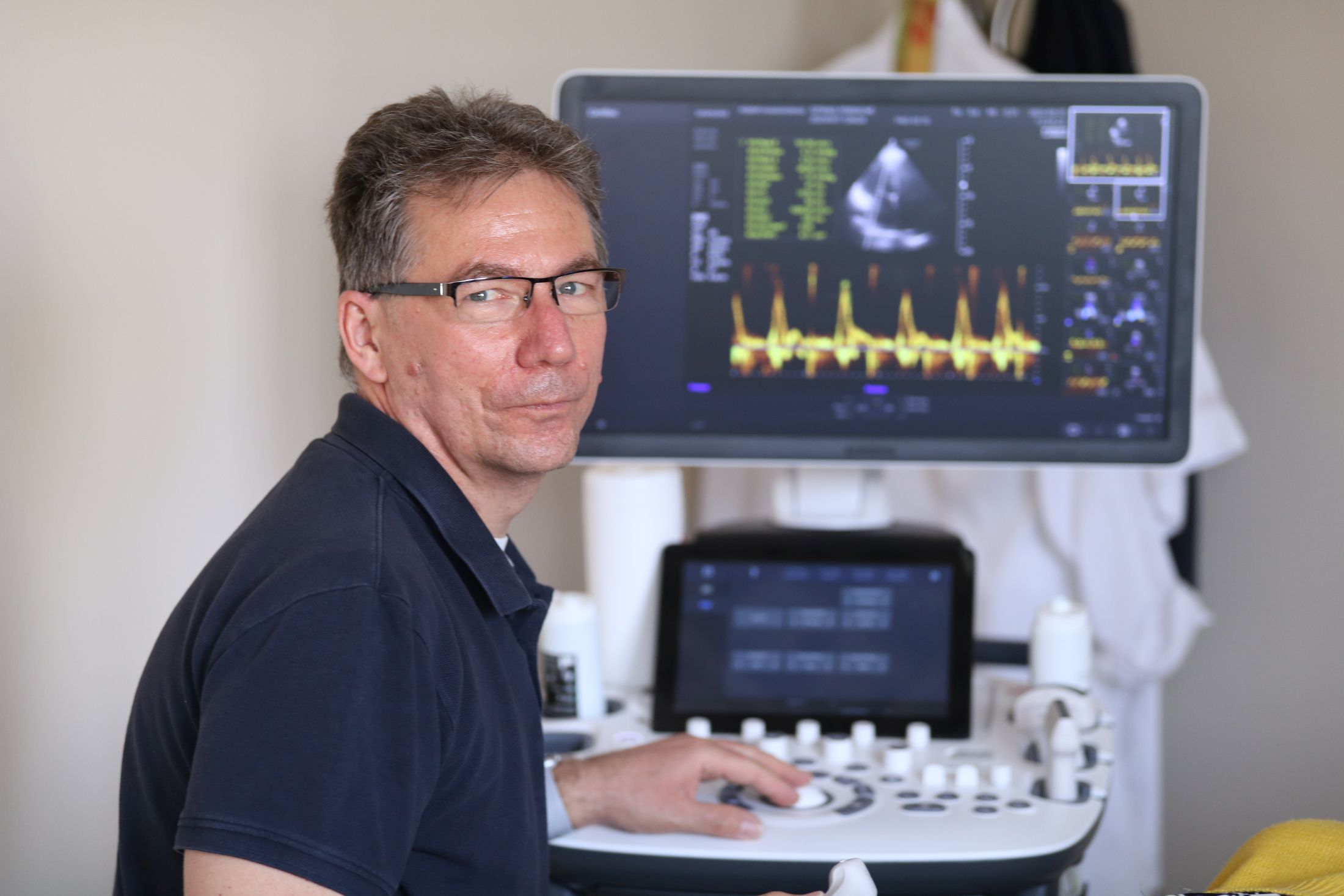
However, my relationship with the cardiology department was not severed either, as one day I performed specialist practice alongside my work in the emergency department. This was then replaced by private cardiology practice, which I did first within the hospital, with its equipment, and later independently, with my own equipment and assistance. In practice, this has remained constant to this day – shared with us Dr. Péter Botos, who passed his third specialist exam as an emergency physician in 2005.
There were some twists and turns in what happened. In 2008, a private service provider took over the operation of the Eger hospital. At that time, I was already the head of the emergency department. My colleagues, with whom I worked at the time, did not sign the contract with the private provider, so I was left not knowing who and how I would work with from the following week. So in the end, I did not sign the employment contract either. Then came a three-year cycle, when I worked as an independent specialist, partly in my own practice, partly in the emergency department of the Karcag and then Ózd hospitals.
I decided that I wanted to work in private healthcare
From 2011, when the Eger hospital was again under state maintenance, I was called back to the emergency department, with the assignment of department head. In 2014, my private practice came into focus again, and I worked as an independent specialist in the emergency and cardiology departments of the Ózd hospital. The next change is the transition to the current legal service relationship, in connection with which I decided that instead of being a civil servant, I would like to work in private healthcare – at the TritonLife and in my private practice – said the cardiologist, who also passed the baton to his son: he is currently a student at Semmelweis University.
It is a fantastically uplifting feeling to be able to save lives. Outpatient care is a little different in this respect. I felt this firsthand during the previous intensive, emergency years. But now, even if not directly, it is also possible to save lives here, because if we recognize patients in serious condition in time and then refer them to representatives of specialized fields, we can actually save lives by treating the problem in a timely and preventive manner – explained Dr. Péter Botos, whose interests lie in areas that require a complex approach: coronary artery disease, cardiac arrhythmias and various types of heart failure.
Gardening is an important part of my life
We asked the specialist not only about his profession, but also about his hobbies – what means continuous recharge for him? – Gardening and activities around the house are an important part of my life. We live in a house with a garden, with a relatively large garden, which has flower, shrub, fruit and vegetable areas. I spend a significant part of my free time there. Among the sports I really like swimming and cycling. When we go on vacation, we always look for opportunities to swim and go on excursions. We also have a dog, who also requires care, he is also a source of relaxation – revealed Dr. Péter Botos, whose other favorite hobbies are reading, literature and philosophy.

 Log in with GoodID