
Hadarás terápia
Kérjük vegyék figyelembe, hogy 15 év alatt mindenképpen 2 alkalmas a vizsgálat.
Bérlettel: 13 750 Ft, Bérlet nélkül: 16 990 Ft
A terápia főbb területei:
- Artikulációs pontosság fejlesztése: A hangkihagyások, összeolvadások csökkentése célzott artikulációs tréninggel, ciklizált sorok alkalmazásával
- Szünethasználat tanítása: a természetes szünetek tudatos beiktatása légzőgyakorlatokkal és szövegmondási feladatokkal segíti a mondatok tagolását
- Beszédritmus fejlesztése: elősegíti a beszélő „géppuskás” beszédstílusát érthetőbbé tenni
- Helyes hanglejtés és hangsúlyozás kialakítása: segíti kommunikációt könnyedebbé és a magyar nyelv természetességének megfelelővé tenni
- Önmonitorozás erősítése: a kliens fokozatosan megtanulja felismerni saját beszédhibáit, és képes lesz azokat valós időben korrigálni. Ebben fontos szerepet kap a videóelemzés és a strukturált visszajelzés, melyben szerepet játszik a magyarítás alatt álló Audio-Vizuális Feedback tréning
- Kommunikációs önbizalom növelése: célzott szociális szituációk gyakorlásával (pl. rendelés szituáció, bemutatkozás, prezentálás) segítjük a negatív élmények oldását és az önbizalom újraépítését
- Koherens beszédszervezés: a gondolatok rendszerezését tematikus történetalkotási, képleírási és logikai sorrendet igénylő feladatok is segíthetik
Hadarás terapeutaként fontos, hogy tisztán lássuk a hadaró személyek legnagyobb része valóban lényegesen az átlag beszélők artikulációs rátája fölött teljesítenek. Ennek ellenére önmagában a tempó mérséklése nem fog maradandó sikert hozni, melynek kettő fő oka van:
- a tempó gyorsulása inkább egy következmény, mint sem a probléma maga
- a tempó mérséklése önmagában rendkívüli aktív figyelmet igényel, melyet hosszú távon idegennek és nehéznek tartanak.
Ezért egyetlen mondatot nem mondhat soha a kliensének egy hadarás terapeuta. Azt a mondatot, amelyet több ezerszer hallott már életében: „Akkor ezt most mondd el lassabban!”
Egy kliens visszajelzése:
„A legnagyobb változás nem az volt, hogy lassabban beszélek, hanem hogy már nem félek megszólalni, rendelni egy étteremben, és alig kérdeznek vissza, hogy mit mondtam.”
Cikkek

A nyelvi késés
A nyelés eltérései

A dadogás

A preverbális (beszéd előtti) nyelvi fejlődés

Stroke: minden, amit tudni kell a szélütésről
A verbális (nyelvi) fejlődés
A nyelvi fejlődés zavarai

A nyelvfejlődési eltérések felismerése és ellátása

A hadarás
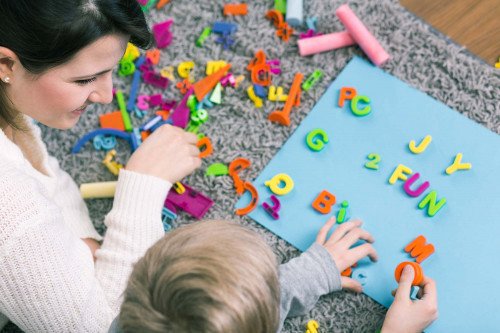
A diszlexia
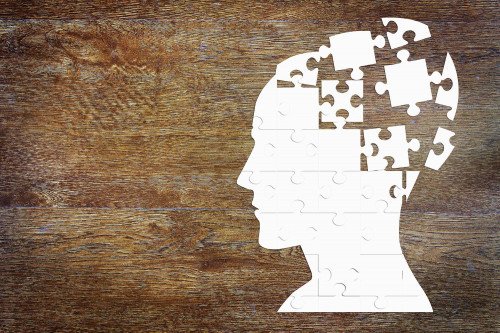
Az afázia

Hangképzési zavarok

Beszédproblémák személyiségre gyakorolt hatása

Az iskolaérettség

Az artikulációs zavarok

Mit csinál a logopédus?
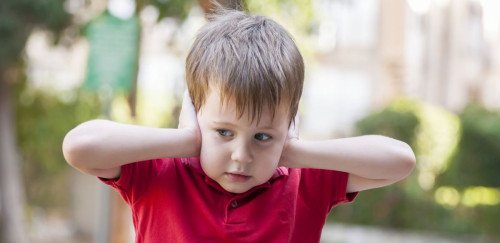
A hallás fejlődése

Szülő szerepe a képességfejlődésben
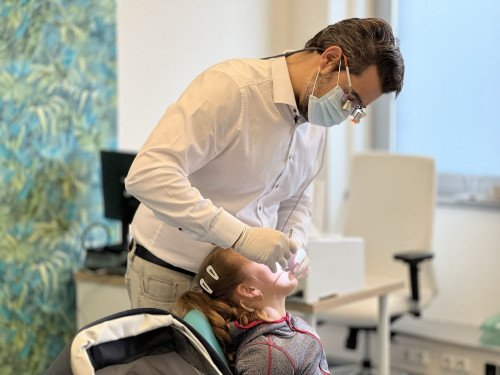
A legjellemzőbb fogazati eltérések korcsoportok szerint

 GoodID belépés